

Movies are meant to captivate audiences, drawing them into compelling stories and immersive experiences. However, not all films manage to keep viewers in their seats. Occasionally, a movie is so controversial, shocking, or simply unappealing that it causes mass walkouts.
These instances, where large numbers of audience members leave before the film ends, often become part of cinema lore, sparking debates and discussions about the boundaries of art and entertainment.
1. “Mother!”

Darren Aronofsky’s psychological thriller “Mother!” left audiences in disarray and confusion, prompting many to leave theaters. The film’s intense and disturbing imagery, along with its heavy-handed allegories, proved too much for some viewers.
Critics and audiences alike were divided, with some praising its bold vision while others criticized its lack of coherence. This polarizing reaction led to significant walkouts during its initial screenings.
2. “The Blair Witch Project”
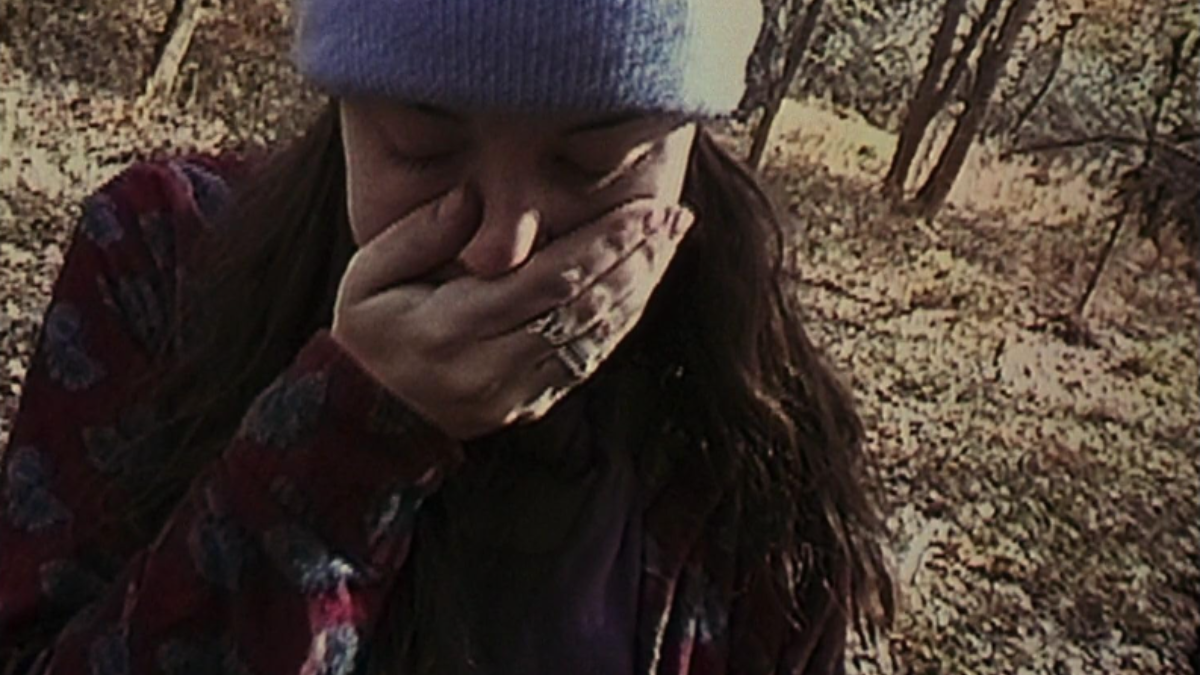
When “The Blair Witch Project” premiered, it became infamous for causing a wave of nausea-induced walkouts. The film’s shaky, handheld camera style was innovative but also disorienting.
Many viewers found themselves unable to stomach the constant motion, leading to exits mid-film. Despite this, it became a cult classic and a significant milestone in the found-footage genre.
3. “The Passion of the Christ”

Icon Productions.
Mel Gibson’s “The Passion of the Christ” is one of the most graphic depictions of the crucifixion of Jesus Christ. Its extreme violence and harrowing scenes caused many viewers to leave the theater.
The intensity of the film sparked debates about its necessity and appropriateness, resulting in both critical acclaim and widespread controversy. This blend of religious fervor and graphic content made it a difficult watch for many.
4. “A Serbian Film”

“A Serbian Film” is notorious for its extreme and graphic content, leading to numerous walkouts and even bans in several countries. The movie’s explicit depictions of violence, including sexual violence, pushed boundaries in ways that many found unacceptable.
Its controversial subject matter overshadowed any artistic merit, leaving audiences disturbed and often offended. The film remains a touchstone for discussions on the limits of on-screen violence.
5. “Irreversible”
120 Films.
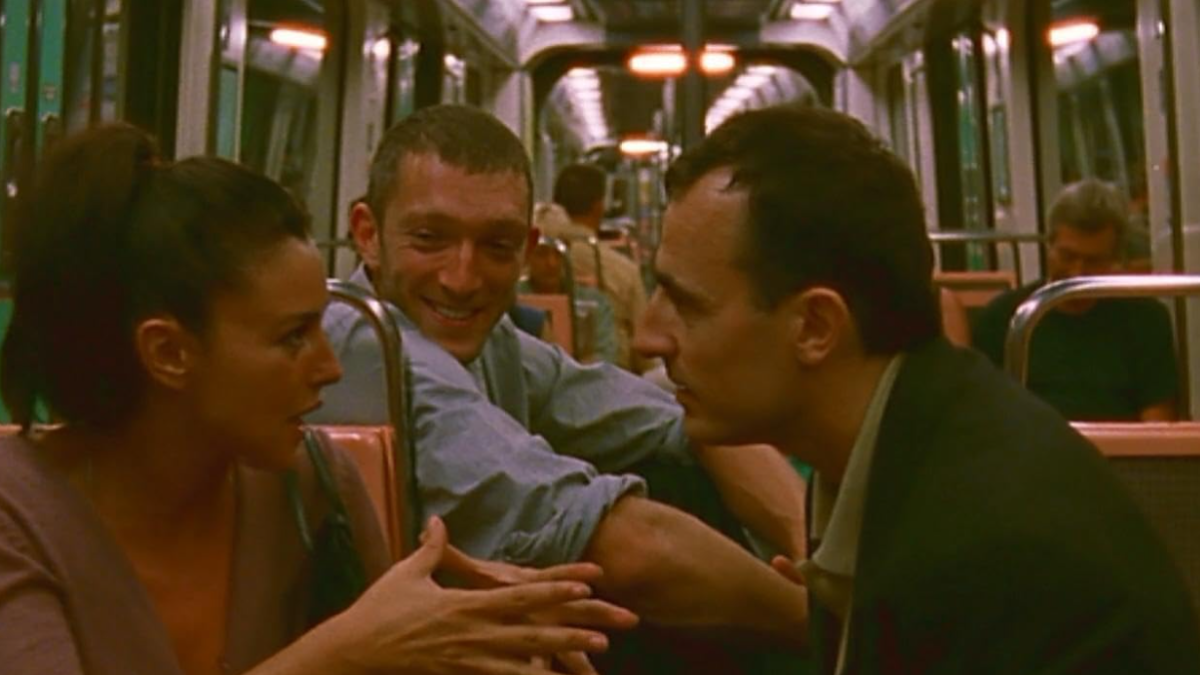
Gaspar Noé’s “Irreversible” is structured in reverse chronological order and features an unflinching portrayal of violence. The film’s most infamous scene is a prolonged and brutal assault, which led to mass walkouts during its premiere.
The relentless nature of the violence, combined with the non-linear narrative, created a deeply unsettling experience. This reaction highlighted the film’s impact but also its divisive reception.
6. “Antichrist”

Lars von Trier’s “Antichrist” opened to audiences unprepared for its graphic sexual content and intense violence. The film’s disturbing themes and shocking imagery caused many to leave screenings early.
Despite the walkouts, it garnered a strong critical following for its bold artistic choices and deep psychological themes. The controversy only fueled its mystique, making it a topic of intense discussion.
7. “127 Hours”

Searchlight Pictures.
Danny Boyle’s “127 Hours” tells the harrowing true story of Aron Ralston, who amputated his own arm to survive. The climactic scene, depicting the self-amputation, was too graphic for some viewers, causing them to faint or leave the theater.
This intense moment highlighted the film’s commitment to realism but also its capacity to disturb. The reaction underscored the visceral power of its storytelling.
8. “Salò, or the 120 Days of Sodom”

Produzioni Europee Associate (PEA).
Pier Paolo Pasolini’s “Salò, or the 120 Days of Sodom” is a film that remains controversial decades after its release. Its graphic depictions of torture, sexual violence, and dehumanization led to immediate and widespread walkouts.
The film’s shocking content overshadowed its political commentary, making it one of the most infamous movies in cinema history. Despite its controversial nature, it continues to be analyzed and debated by film scholars.
9. “The Exorcist”

When “The Exorcist” was first released, it caused a sensation, with reports of fainting and walkouts due to its terrifying content. The film’s depiction of demonic possession, along with its groundbreaking special effects, was unprecedented.
Audiences were shocked by the intense horror, which was unlike anything seen before. This reaction cemented “The Exorcist” as a landmark in horror cinema.
10. “The Tree of Life”

Terrence Malick’s “The Tree of Life” is a meditative and visually stunning film that puzzled many viewers. Its non-linear narrative and abstract sequences, including a lengthy depiction of the universe’s creation, led to confusion and walkouts.
The film’s unconventional approach to storytelling required patience and contemplation, which not all audiences were prepared for. Despite this, it received critical acclaim and numerous awards.
11. “The House That Jack Built”

Zentropa Entertainments.
Lars von Trier’s “The House That Jack Built” shocked audiences with its graphic and sadistic portrayal of a serial killer. The film’s explicit violence and dark humor led to numerous walkouts during its premiere at Cannes.
Many found its content too extreme and offensive, while others appreciated its boldness and artistic vision. The controversy highlighted von Trier’s reputation for provocative filmmaking.
12. “The Human Centipede (First Sequence)”
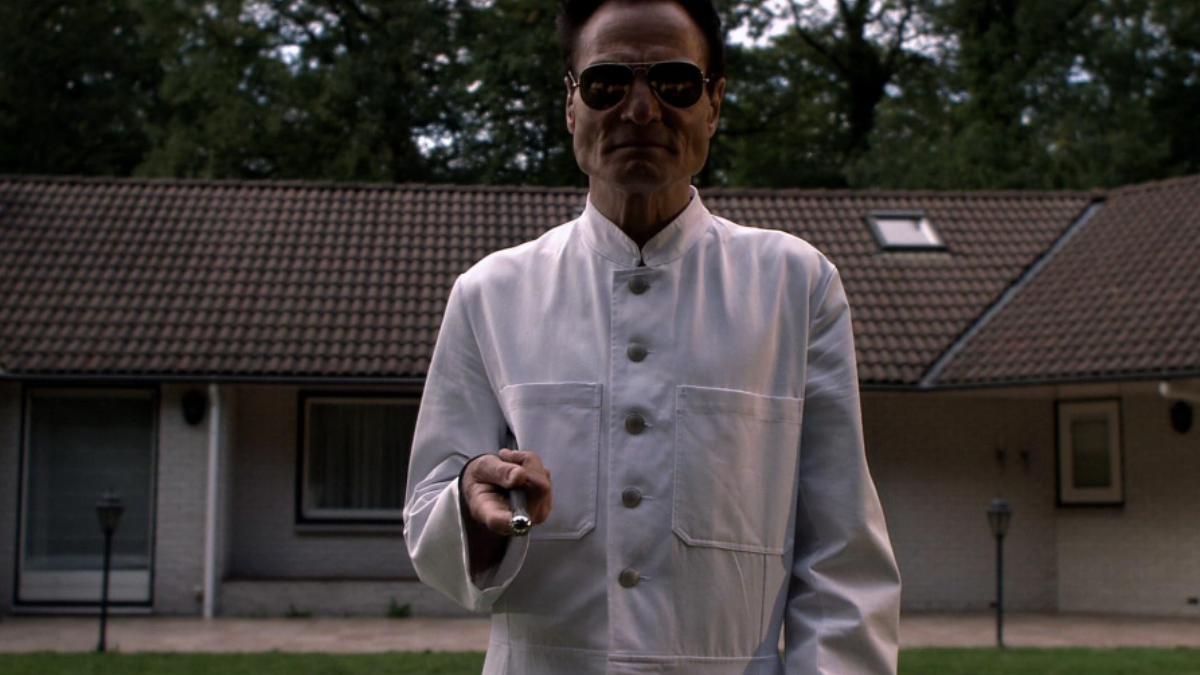
“The Human Centipede (First Sequence)” became notorious for its grotesque and horrifying premise. The film’s graphic depiction of surgical mutilation was too much for many viewers, causing a significant number of walkouts.
Its reputation as one of the most disturbing films ever made has persisted, overshadowing its low-budget origins. The film sparked widespread curiosity and revulsion in equal measure.
13. “The Neon Demon”

Space Rocket Nation.
Nicolas Winding Refn’s “The Neon Demon” delves into the dark and sinister side of the fashion industry, filled with graphic violence and disturbing imagery. The film’s explicit scenes, including cannibalism and necrophilia, led many viewers to leave the theater in disgust.
Its bold visual style and shocking content sparked debates about the fine line between art and exploitation. Despite the walkouts, it has garnered a cult following for its daring approach.
14. “Spring Breakers”

Muse Productions.
Harmony Korine’s “Spring Breakers” surprised many with its explicit content and unconventional narrative. The film’s depiction of debauchery, crime, and violence among a group of young women on spring break led to walkouts.
Its neon-soaked, surreal style contrasted sharply with the raw and often uncomfortable subject matter. The film’s polarizing nature made it a hot topic of discussion.
15. “Eyes Wide Shut”
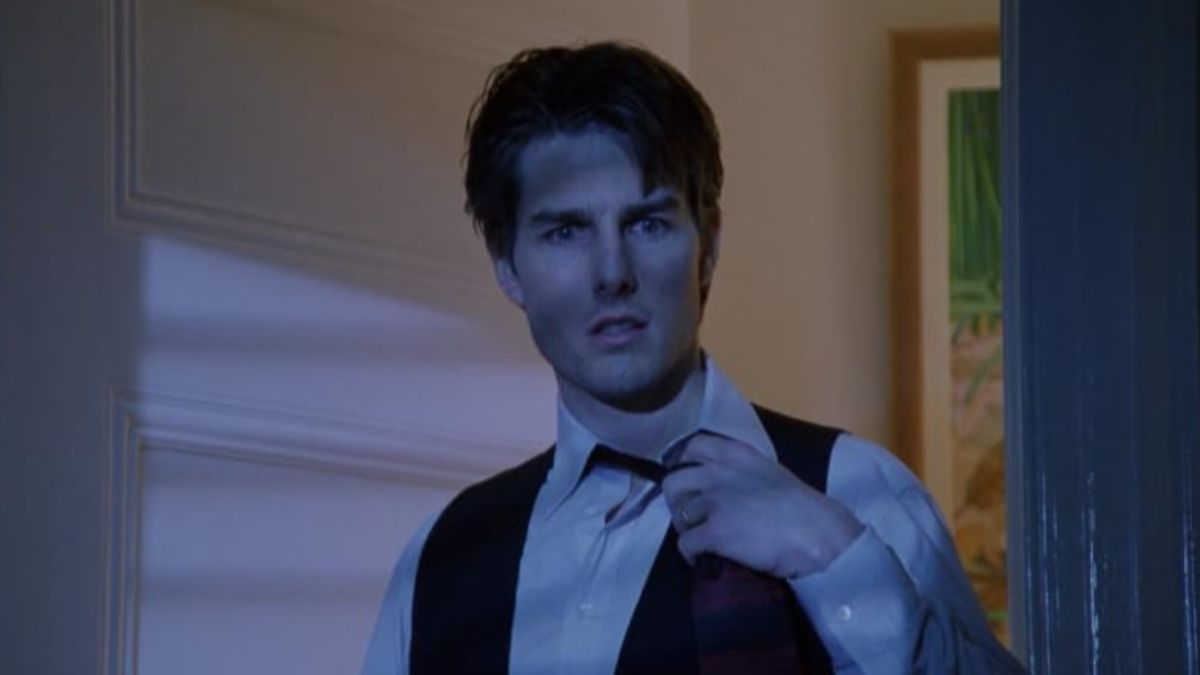
Stanley Kubrick’s “Eyes Wide Shut” featured explicit sexual content and a mysterious, dreamlike atmosphere that unsettled many viewers. The film’s slow pace and intense exploration of sexual obsession led some to leave the theater.
Despite the initial reaction, it has since been re-evaluated and appreciated for its depth and complexity. The film’s release was marked by curiosity and controversy, fitting for Kubrick’s final work.
The 13 Netflix Original Series That You Need to Watch Before You Die
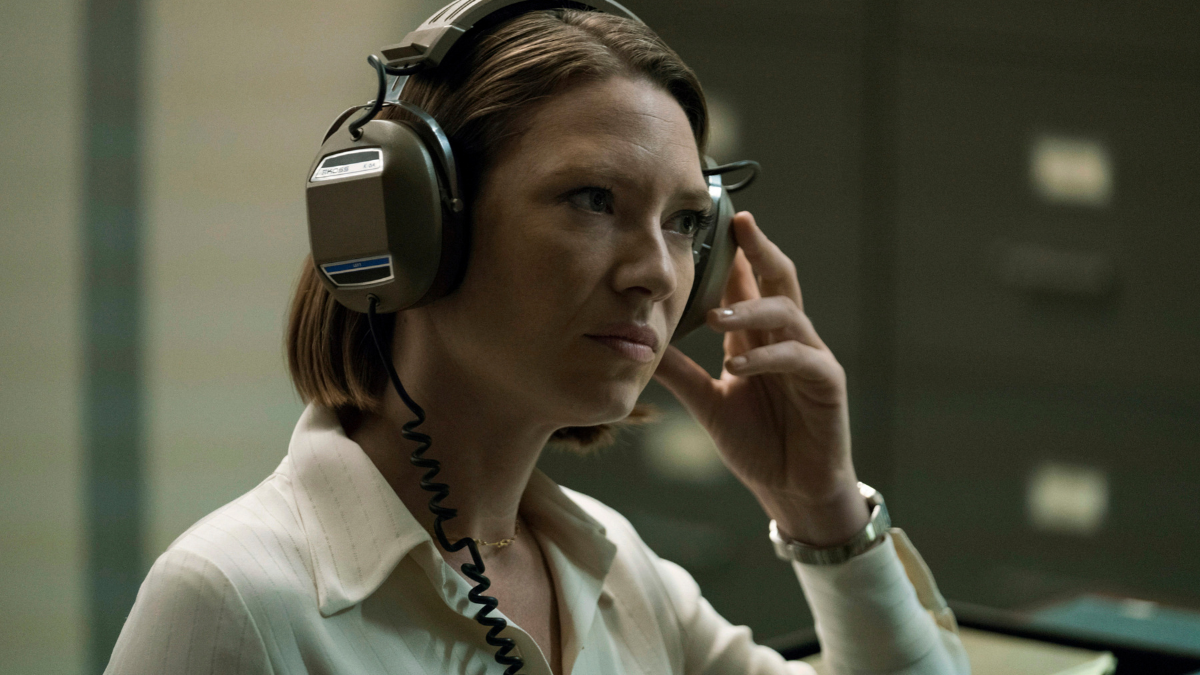
Every time they raise their prices and we think about cancelling it seems that Netflix brings out another original series (or new season) that forces us to keep our subscriptions active. But, if you’re already subscribed looking for something new to watch on the platform, we rounded up some fan favorite Netflix original series to check out next.
The 13 Netflix Original Series That You Need to Watch Before You Die
The 12 Best Worst Movies That Fans Violently Defend (Even Though They’re Terrible)

Ever watch a movie and think to yourself: this is so bad it’s good? Hold onto that feeling because you’re not alone – these are some of the best worst movies that fans violently defend (even though they’re terrible).
If you’re in need of some downright awful movies to add to your “to watch” list look no further. From the ultra campy to the “who cares if it’s bad I enjoyed it”, you might just find yourself defending these “B” movies to everyone you meet too.
The 12 Best Worst Movies That Fans Violently Defend (Even Though They’re Terrible)